
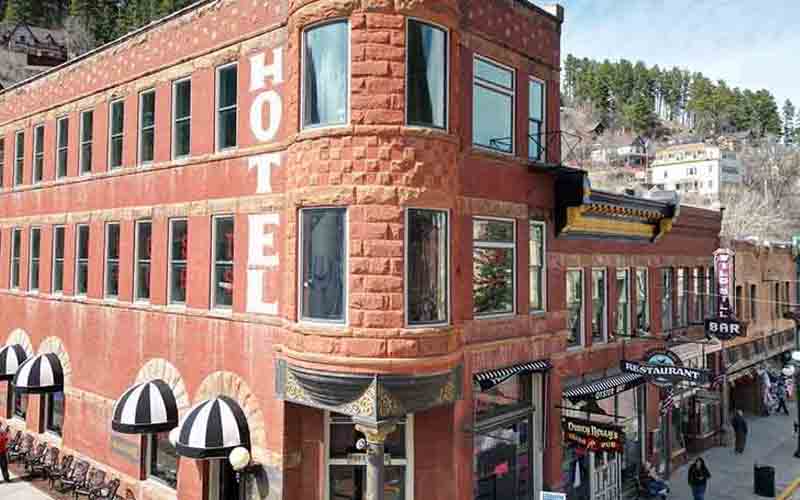
 The city of Deadwood, South Dakota, is advocating for a larger portion of gaming tax revenues to bolster its historic preservation efforts.
Senate Bill 102* (SB 102), currently under legislative consideration, proposes reallocating funds to address the city’s infrastructure and preservation needs. This initiative has sparked a broader discussion about the distribution of gaming revenues across the state.
At OnlineSouthDakotaCasino.com, our primary focus is on the growth and development of online gaming and betting services. However, the local gambling market continues to play a crucial role in shaping and supporting the online industry.
South Dakota’s land-based gaming sector, particularly in established destinations like Deadwood, has built a long-standing culture of regulated gambling, consumer trust, and tourism-driven entertainment.
Background on Deadwood’s Gaming Revenue
Since the legalization of gambling in Deadwood in 1989, the city has received substantial funds dedicated to historic preservation. Over the past 35 years, more than $237 million has been allocated for this purpose. These funds have been instrumental in restoring and maintaining numerous historic sites, including the Adams House Museum and the Mount Moriah Cemetery.
However, despite an increase in overall gaming tax revenues from $14.7 million in 2014 to $18.9 million in 2024, Deadwood’s annual allocation has remained relatively static at approximately $7.1 million.
Details of Senate Bill 102
SB 102 proposes an adjustment to the current formula for distributing gaming tax revenues. Under the existing structure, the state directs a substantial portion of gaming tax revenues to its general fund. The bill would increase Deadwood’s share of these revenues, allowing the city to reinvest a larger portion of locally generated funds directly back into the community.
Advocates argue that this change is essential to meet the rising costs of preserving Deadwood’s historic infrastructure. As a nationally recognized historic destination, the city’s buildings, streetscapes, and landmarks require ongoing restoration and maintenance to protect their integrity. These preservation efforts are not only critical to safeguarding Deadwood’s heritage but also to sustaining the tourism economy that drives local and regional economic activity.
By allocating additional resources to the city, SB 102 would help ensure that Deadwood can continue to maintain the historic character that attracts millions of visitors each year.
Opposition and Broader Implications
The proposed reallocation has faced opposition from other communities and stakeholders. Leaders from Hot Springs, another historic town in South Dakota, have expressed concerns that increasing Deadwood’s share would concentrate preservation funds in one area, potentially neglecting the needs of other historic sites across the state.
In a letter to legislators, Hot Springs officials emphasized the importance of evaluating preservation needs statewide to ensure equitable distribution of resources to all local casinos and gambling markets in the state.
Economic Impact of Gaming in Deadwood
The gaming industry has long served as a cornerstone of Deadwood’s economy. Since the legalization of gaming in 1989, bettors have wagered approximately $32.6 billion, generating roughly $3 billion in gross gaming revenues. This activity has generated an estimated $457.4 million in tax revenue, which has been distributed among several beneficiaries, including the city of Deadwood, the state tourism fund, and the state general fund.
While these revenues have provided meaningful support to both local and state programs, Deadwood officials contend that the city’s share has not kept pace with the steadily rising costs of historic preservation and infrastructure maintenance.
Maintaining Deadwood’s historic character requires ongoing investment in the restoration of aging buildings, streets, and public spaces, assets that are central to the city’s identity and its tourism-driven economy. City leaders argue that without a greater share of gaming tax revenues, sustaining these preservation efforts will become increasingly difficult.
Statewide Distribution of Preservation Funds
Beyond Deadwood, gaming tax revenues have been allocated to support historic preservation projects across South Dakota. Programs like the Deadwood Fund Grant and the Outside-of-Deadwood Grant Program provide financial assistance for restoration projects statewide.
However, these programs are limited in scope and funding. For instance, the Deadwood Fund Grant offers grants ranging from $1,000 to $25,000, with a total annual allocation of $100,000. Critics argue that these amounts are insufficient to meet the preservation needs of historic sites throughout the state.
Future Considerations
As SB 102 progresses through the legislative process, it raises important questions about the equitable distribution of gaming tax revenues and the prioritization of historic preservation efforts in South Dakota. Balancing the needs of Deadwood with those of other historic communities will require careful consideration to ensure that all of the state’s historic assets are adequately preserved for future generations.
What This Means for South Dakota’s Historic Communities
The outcome of SB 102 will have significant implications for historic preservation funding across South Dakota. If passed, Deadwood would receive increased resources to maintain its historic sites, potentially enhancing its appeal as a tourist destination. However, this reallocation may reduce funds for preservation projects in other communities, highlighting the need for a comprehensive statewide approach to funding historic preservation.